Introducing Kronis PMO: Operational Management for EU-Funded R&D Projects
We’ve launched Kronis PMO — a new operational layer for multi-partner EU project execution. Early release, testing with coordinators.

We’ve launched Kronis PMO — a new operational layer for multi-partner EU project execution. Early release, testing with coordinators.

If your organisation requests more than EUR 430,000 in EU funding, you’ll need a Certificate on Financial Statements (CFS)—a formal audit by an independent auditor confirming that your reported costs are accurate and eligible. This guide explains when the CFS is required, what auditors check across six cost categories, how to prepare without last-minute chaos.

Project reviews in Horizon Europe aren’t random audits—they’re triggered by red flags in your reporting. Missing deliverables, unexplained budget deviations, or vague progress descriptions can prompt the European Commission to launch a formal investigation. This guide explains the five-stage review process, what external experts actually check, and how to prepare traceable evidence in 30 days. Learn why most reviews are avoidable, what happens if you can’t provide documentation, and how digital systems help you stay audit-ready from day one.

This guide explains why multi-project management breaks down, what actually goes wrong (missed deadlines, lost documents, budget allocation errors), and how to regain control through centralised data storage, automated deadline tracking, and consistent processes—without working 60-hour weeks.

Manual EU grant management costs more than you think. This analysis quantifies the hidden costs of manual processes, explains why spreadsheets don’t scale beyond 5-10 projects, and shows the measurable ROI of digital grant management infrastructure for organisations treating EU-funded R&D as a strategic growth priority.

Financial compliance in Horizon Europe doesn’t end when the project closes.
Under Article 25 of the Model Grant Agreement, the European Commission can audit how funds were used — during the project and up to five years after the final payment. Timesheets, personnel costs, procurement, invoices — everything must be traceable and documented from day one.

Receiving EU funding is only the beginning. The real challenge starts when organisations must prove that every declared project cost complies with Horizon Europe eligibility rules. From personnel costs and procurement procedures to supporting documentation and audit readiness, even small financial errors can lead to rejected costs and financial corrections. In this article, we explore the most common reasons costs are rejected under Article 27 of the Horizon Europe Grant Agreement — and how organisations can reduce financial risk through stronger project governance and structured financial management.

More and more Horizon Europe calls are using the lump sum model — but what does that actually mean? This guide explains in simple terms how lump sum funding works, how payments are linked to work packages, and how it differs from the traditional cost-based model.

Article 20 defines how and when Horizon Europe projects must report progress and finances. This practical guide explains what project managers need to know to stay compliant and avoid payment delays.

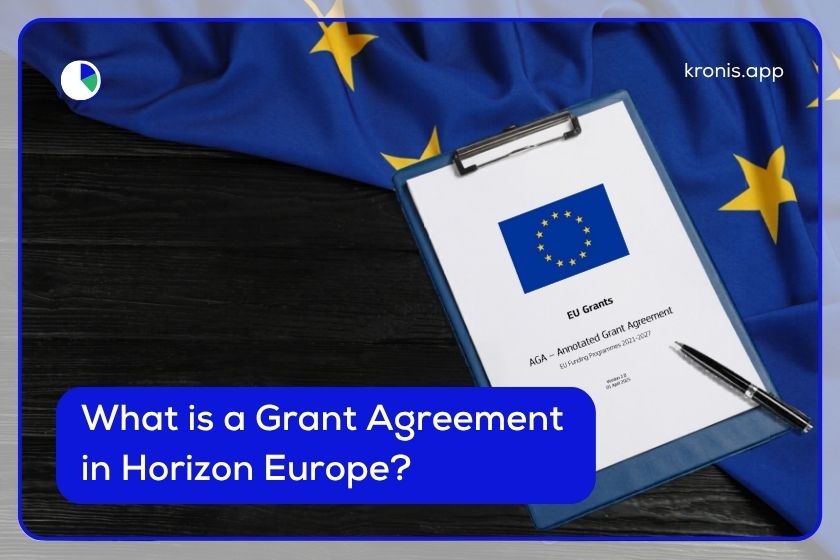
Horizon Europe Grant Agreement sets the rules for eligible costs, ineligible costs and compliance. Discover practical tips to avoid mistakes and keep your project audit-ready from day one.

Financial reporting in EU-funded projects often slows innovation teams — not because of compliance itself, but because governance systems are misaligned. If Horizon Europe is part of your growth strategy, this analysis is worth your attention.

Horizon Europe funding is more than money: it’s a contractual framework that shapes how R&D teams plan, document and scale innovation across Europe.