What Happens During a Horizon Europe Project Review (And How to Prepare) 

Table of Contents

Introduction

Project reviews are one of the most stressful moments in the life of a Horizon Europe grant. They can happen at any time, with little warning, and they carry real consequences: suspended payments, corrective measures, or even termination.
But here’s the reality: most project reviews aren’t triggered by random bad luck. They happen because something in your reporting raised a red flag. A missing deliverable. Unexplained budget deviations. Vague progress descriptions. The granting authority sees a problem, and they want answers.

If you’ve never been through a project review, this guide explains what actually happens, what reviewers check, and how to prepare without panic.


What is a Project Review in Horizon Europe?

A project review is an in-depth examination of your project’s progress and compliance, carried out by the European Commission (or the relevant funding body). It’s defined under Article 25.1.2 of the Grant Agreement.

Unlike routine reporting, a review involves external experts who assess whether:

  • The work plan is being followed
  • Deliverables meet quality standards
  • Resources are being used as planned
  • The project objectives are still achievable

Reviews can cover the entire consortium or focus on a single partner. They can examine technical implementation, financial management, or both.

Why Do Project Reviews Happen?

The granting authority doesn’t review projects for fun. Reviews are triggered by specific concerns, including:

  • Missing or low-quality deliverables that suggest the project isn’t progressing as planned
  • Significant budget deviations without clear justification
  • Delayed milestones that put the project timeline at risk
  • Reports that lack detail or contain inconsistencies
  • Complaints from consortium partners about coordination or financial issues
  • External factors such as major personnel changes, partner withdrawal, or scope modifications

If your project is selected for review, it means someone flagged something. The review is the formal process to determine whether corrective action is needed.

What Happens During a Project Review?

project review follows a structured process: 

1. Formal Notification

The granting authority notifies the coordinator (or the affected beneficiary) that a review will take place. This notification includes:

  • The scope of the review (technical, financial, or both)
  • The specific areas or deliverables under examination
  • The names of the appointed experts (if external reviewers are used)
  • The deadline for submitting requested documentation

You typically have 30 days to respond.

2. Document Submission

The review team will request evidence to support your claims in the periodic report. This may include:

  • Work package reports and progress summaries
  • Deliverables and supporting materials
  • Time records and personnel allocation data
  • Financial statements and cost breakdowns
  • Consortium meeting minutes
  • Risk mitigation plans

If you cannot provide clear, traceable evidence, the review will not go well.

3. Assessment by Experts

Independent experts (or internal Commission reviewers) examine the submitted materials. They assess:

  • Whether the technical work matches the description of action
  • Whether resources are being used efficiently
  • Whether the project is on track to meet its objectives
  • Whether there are risks that could compromise success

In some cases, the review team may request an on-site visit or a remote meeting with the project team to clarify specific points.

4. Review Report and Response Period

The experts produce a project review report summarising their findings. This report is shared with the coordinator, who has 30 days to submit observations.

This is your opportunity to:

  • Clarify misunderstandings
  • Provide additional evidence
  • Explain mitigating circumstances
  • Propose corrective actions

5. Final Decision by the Granting Authority

After reviewing your response, the granting authority decides on next steps. Possible outcomes include:

  • No action required (the review confirms the project is compliant)
  • Recommendations for improvement (non-binding but strongly advised)
  • Corrective measures (mandatory actions with deadlines)
  • Payment suspension until issues are resolved
  • Grant reduction if ineligible costs are identified
  • Project termination in extreme cases of non-compliance

How to Prepare for a Project Review

The best way to survive a project review is to never need one. But if you receive a notification, here’s how to respond effectively:

Keep Evidence Organised from Day One

Project reviews fail when teams cannot prove what they did. If your timesheets are incomplete, your deliverables lack version control, or your meeting notes are buried in email threads, the review will expose these gaps.

Document everything:

  • Work done, by whom, and when
  • Decisions made and their rationale
  • Budget changes and approvals
  • Partner communication and coordination

Respond Quickly and Thoroughly

You have 30 days to submit requested materials. Do not wait until the last minute. Missing the deadline or submitting incomplete information damages your credibility.

Use the time to:

  • Gather all requested evidence
  • Cross-check data for consistency
  • Prepare clear, concise explanations
  • Coordinate with affected partners

Be Honest About Problems

If the review uncovers a real issue—a missed milestone, a budget overrun, a deliverable that didn’t meet expectations—acknowledge it. Explain what happened, what you’re doing to fix it, and how you’ll prevent it from happening again.

Reviewers are not trying to trap you. They want to see that the project can still succeed.

Use a Digital System to Maintain Traceability

Manual project management makes reviews harder than they need to be. When your data is scattered across spreadsheets, emails, and local folders, assembling a coherent response becomes a nightmare.

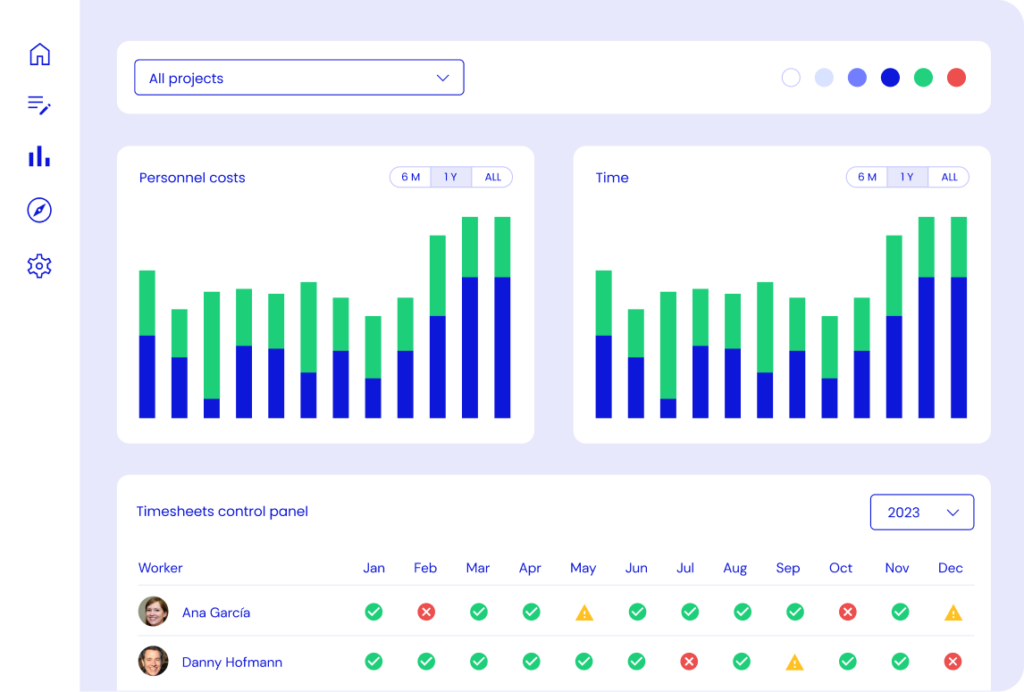
A digital control system like Kronis ensures that:

  • All project data is stored in a single, auditable repository
  • Timesheets, costs, and deliverables are linked to work packages
  • Reports are pre-filled with accurate, traceable information
  • Evidence is always accessible, even years after the fact

This doesn’t just help during reviews. It prevents them in the first place.

What Happens After the Review?

Once the granting authority makes its decision, you’ll receive formal notification of the outcome. If corrective measures are required, they will come with clear deadlines and deliverables.

Ignoring corrective measures is not an option. Failure to comply can lead to payment suspension, grant reduction, or termination.

If the review concludes with no action required, consider it a validation of your project management practices. But don’t relax completely—future reporting periods will still be assessed.

Final Thought

Project reviews are stressful, but they’re not random. They happen because something in your project raised a concern. The best defence is not to avoid reviews—it’s to run your project in a way that makes reviews unnecessary.

That means clear reporting, organised documentation, and traceable evidence from the start. If you wait until a review is announced to get your records in order, it’s already too late.

Kronis Software: The Solution to Navigating EU Funding Complexities

Scroll to Top
Privacy Overview

This website uses cookies so that we can provide you with the best user experience possible. Cookie information is stored in your browser and performs functions such as recognising you when you return to our website and helping our team to understand which sections of the website you find most interesting and useful.