Introduction
Financial Reporting in Plain Terms
In Horizon Europe, financial reporting is the structured process by which each beneficiary must justify, clearly and on time, all project-related costs to the European Commission. It is not enough to carry out the work: you need to demonstrate that every euro has been spent according to the rules set by the programme.
Financial reports are submitted at fixed intervals, using prescribed templates and formats defined in your Grant Agreement. There are strict deadlines, and missing them can create real problems for your project.
What Does Financial Reporting Actually Involve?
- Collecting and organising supporting documents: invoices, payslips, travel receipts, contracts, and more.
- Complying with cost categories: Only costs directly linked to the project—and eligible under the agreement—can be claimed.
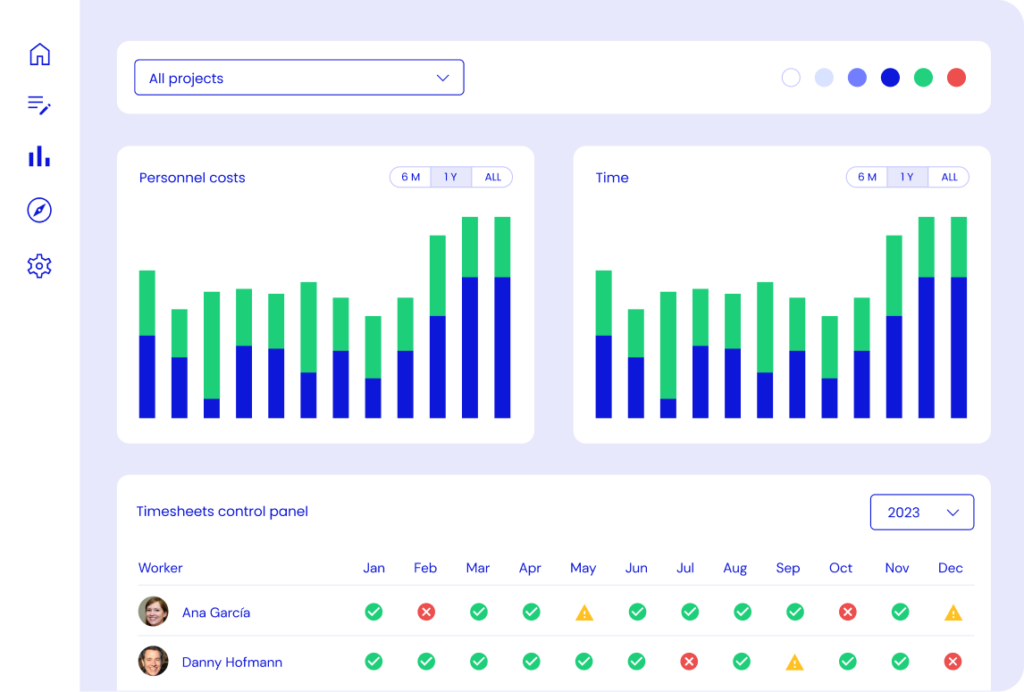
- Recording time and resources: Timesheets for staff are essential and must be up-to-date and accurate.
- Submitting reports on time: Reports must be delivered according to the project schedule. Late reporting can delay payments or trigger extra checks.
- Being audit-ready: All records must be easily accessible and stored securely for years after the project finishes, as the EU can audit costs long after closure.
Why is Financial Reporting So Important?
- Avoid rejections and repayments: Errors in reporting can mean costs are rejected and funds need to be returned.
- Reduce operational stress: Staying on top of documentation and deadlines prevents last-minute panics and mistakes.
- Ensure project continuity: Accurate, timely reporting is essential to keep payments flowing and your project on track.
How Can You Simplify the Process?
This is where a digital system like Kronis makes a real difference. By centralising all project documentation, automating repetitive tasks, generating reminders, and ensuring reports match Horizon Europe requirements, Kronis allows teams to regain control of reporting. This reduces manual work, lowers error rates, and helps you stay focused on the core progress of your project—not just the paperwork.
Final Thought
Financial reporting is not just a formality—it is a core part of day-to-day management for any Horizon Europe project. By maintaining control of the process, and using the right tools, project teams can reduce chaos, avoid mistakes, and keep their focus where it matters: advancing their research and delivering real impact.


Indirect Costs in Horizon Europe: Flat Rates, Real Costs, and How to Stay Compliant