Article 6 in Horizon Europe: Practical Tips for Eligible and Ineligible Costs

Table of Contents

eligible and ineligible costs

Introduction

Starting a new EU-funded R&D project is exciting, but it also means facing immediate compliance responsibilities. For project managers, Article 6 of the EU Model Grant Agreement is the foundation that defines what costs are eligible or ineligible for reimbursement. Misunderstanding this article can result in rejected expenses, stressful audits, or even jeopardising your project’s finances.
But Article 6 is not about memorising regulations. It’s about knowing how to use its logic for practical project management, from planning and budgeting to reporting and audits.

What Does Article Cover? Overview of Eligible and Ineligible Costs

Article 6 specifies the rules for which costs can be claimed under your grant and which cannot. This covers everything from personnel and travel to equipment, services, and more. If a cost does not fit within Article 6’s conditions, it will be rejected—regardless of its importance for your activities.

For project managers in Horizon Europe, this means: 

  • You must align all planning, procurement, and reporting with Article 6 from the very start. 
  • Early mistakes or misunderstandings are hard to fix later and can threaten your project’s financial health. 

Tip: Always refer to the latest Annotated Grant Agreement (AGA) for practical explanations and examples, as the rules evolve with each new framework and each Horizon Europe call. 

Key Eligibility Rules Under Article 6: What Every EU Project Manager Must Know

General eligibility rules: Apply to all Horizon Europe and EU-funded projects—must be incurred, necessary, documented, reasonable, and compliant with the law.

Specific categories: Personnel, subcontracting, travel, equipment, other goods/services, financial support to third parties, indirect costs.

Direct vs indirect costs: Direct costs are attributable directly to the project; indirect costs (overheads) are usually covered by a flat rate.

Special cases: In-kind contributions, unit costs, flat rates, and lump sums—all specifically relevant for Horizon Europe participants.

Direct vs Indirect Costs in Horizon Europe: Definitions and Examples

For a Horizon Europe project manager, Article 6 is not an abstract legal text. It’s the daily reference point for budgeting, procurement, expense approvals, reporting, and audits. Small missteps—like putting a cost in the wrong category or missing a supporting document—can snowball into big problems. The following habits and actions will help you avoid common pitfalls.

1. Always Refer to the Latest Annotated Grant Agreement 

Article 6 is regularly updated, especially for Horizon Europe. Relying on past experience or outdated templates can result in ineligible claims. The Annotated Grant Agreement (AGA) translates the legal text into practical guidance and gives real-world examples.

Example: Sara’s team, working on a Horizon Europe consortium, debated whether a new online training was eligible. She checked the AGA, found the answer, and avoided submitting an ineligible claim.

Spoiler: In this case, the AGA clarified that the training was only eligible if it directly contributed to the project objectives and was properly documented—so they included a justification note and supporting evidence to ensure compliance. 

2. Map Each Project Activity to a Cost Category Early  

Eligibility issues often start when activities are not matched to the right Article 6 cost category. In Horizon Europe, categories are specific, and mixing them up causes reporting errors and possible cost rejection.

Example: Luis classified travel for a Horizon Europe project meeting under “travel” and venue hire under “other goods and services”, avoiding double reporting and confusion at justification time.

Spoiler: When reporting, every expense was instantly accepted, as each was aligned to the correct Article 6 category with full supporting documentation.

3. Centralise Documentation and Record-Keeping 

Costs are only eligible if you can prove them with clear, accessible, and traceable documentation. Horizon Europe audits and reviews are strict: Article 6 requires all evidence—contracts, timesheets, invoices—be kept audit-ready.

Example: Ana uploaded every signed timesheet and invoice for her Horizon Europe project as soon as it was issued. When it was time for reporting and audit, everything was instantly available and correctly linked.

Spoiler: The auditor praised the team’s documentation structure, and no costs were questioned or rejected during the review.

4Anticipate Audit NeedsNot Just Reporting 

You’re not just preparing reports for the present—auditors may check your Horizon Europe project years after it finishes. Article 6 explicitly requires that supporting evidence is kept for a set period after the project ends.

Example: The Horizon Europe team set up monthly Kronis alerts for timesheet completion and expense uploads. When an audit came, nothing was missing and the process was smooth.

Spoiler: The audit closed faster than expected, with the auditors highlighting the proactive internal checks as best practice.

5. Clarify Roles and Responsibilities Internally 

The Grant Agreement expects every cost to be declared and approved by authorised staff. Unclear internal roles lead to delays, errors, or rejected claims.

Example: Maria, as Horizon Europe project coordinator, designated a finance lead in each partner institution to validate and pre-approve costs before submission, ensuring traceability and consistency.

Spoiler: When deadline pressure hit, the team avoided bottlenecks, and each partner’s report was complete and error-free on the first submission.

Key Terms Decoded (Mini-Glossary)

  • Eligible cost: Meets all Article 6 criteria and is properly documented. 
  • Direct cost: Directly linked to the Horizon Europe project (e.g. salaries for project work). 
  • Indirect cost: Overheads, not directly linked, reimbursed by a flat rate. 
  • Flat rate: Percentage applied to eligible direct costs to cover indirects. 
  • In-kind contribution: Resources provided free by third parties—sometimes eligible under specific rules. 
  • Double funding: Charging the same cost to more than one project (strictly forbidden). 

In Project Management you should:

  • Use up-to-date templates for timesheets and expenses. 
  • Run regular internal “mini-audits” before reporting deadlines. 
  • Log any changes in project scope or budget and assess their Article 6 impact first. 
  • Leverage digital tools like Kronis for automated checks, document storage, and deadline alerts, minimising manual errors and oversights. 

The Role of Digital Tools: Kronis in Action

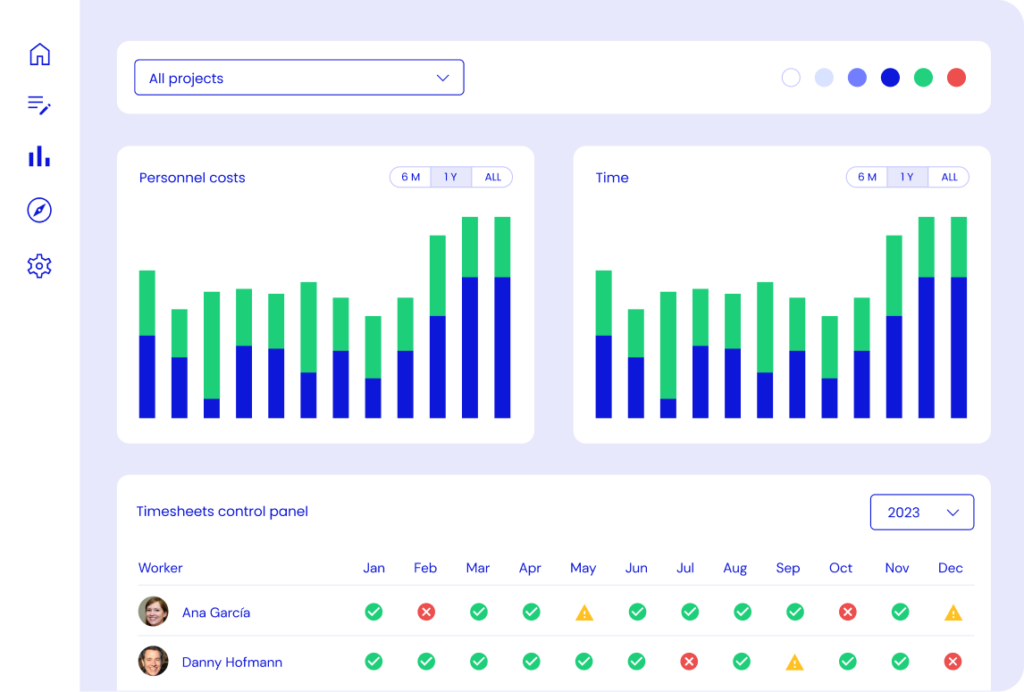
Kronis is not just a document repository—it’s a digital control layer for Horizon Europe project management:

  • It is based on Article 6 logic.
  • Automates compliance checks.
  • Links every expense to its supporting documents for audit-readiness.
  • Pre-fills reporting templates and keeps your files secure for years.

Result:
Less time spent on paperwork, fewer mistakes, and a more confident audit experience.

Final Thought

Article 6 is not just legalese—it’s the backbone of every Horizon Europe project’s financial management. By embedding these practical habits and digital solutions from day one, project managers can avoid costly errors, reduce stress, and deliver real results. Make Article 6 your daily reference, and compliance will become a natural part of your workflow. 

Kronis Software: The Solution to Navigating EU Funding Complexities

Scroll to Top
Privacy Overview

This website uses cookies so that we can provide you with the best user experience possible. Cookie information is stored in your browser and performs functions such as recognising you when you return to our website and helping our team to understand which sections of the website you find most interesting and useful.