How Horizon Europe Funding Works for R&D Teams

Table of Contents

Horizon Europe funding

Introduction

Horizon Europe is the European Union’s flagship research and innovation programme for 2021–2027, with a total budget of approximately €95.5 billion.

For R&D teams, Horizon Europe represents access to large-scale collaborative funding.

For executive leadership, it represents something more structural: a regulated contractual framework that defines how innovation projects are financed, documented and governed across Europe.

Understanding how Horizon Europe funding works is not only operationally relevant. It is strategically critical.


The Governance Architecture Behind Horizon Europe Projects

Horizon Europe funding is primarily implemented through action grants under the EU General Model Grant Agreement. 

Each funded project operates within a predefined contractual structure that establishes: 

  • Funding rates 
  • Maximum grant ceilings 
  • Reporting obligations 
  • Audit and review rights 
  • Record-keeping requirements 

Funding is therefore not discretionary capital. It is regulated co-financing governed by formal contractual and financial provisions. 

For R&D teams, this structure defines how work must be documented and justified. 

For leadership, it defines the organisational maturity required to sustain participation. 

How Funding Is Calculated and Controlled

Under the Grant Agreement framework:

  • Costs must be actually incurred.
  • Costs must be necessary for the action.
  • Costs must be identifiable and verifiable in the organisation’s accounts.
  • Indirect costs are typically calculated using predefined flat-rate methodologies.
  • The maximum grant amount defined in the Agreement cannot be exceeded.

Funding rates are applied to eligible costs depending on the type of action.

This architecture directly influences how R&D teams:

As project volume increases, financial traceability becomes a structural requirement, not an administrative preference.

What Horizon Europe Means for R&D Teams

For project teams, participation introduces:

  • Structured cost tracking
  • Defined reporting cycles
  • Budget ceilings linked to eligibility rules
  • Long-term documentation obligations
  • The complexity does not arise from the scientific challenge.
  • It arises from the governance framework surrounding it.

When organisations manage multiple EU-funded projects simultaneously, administrative exposure scales faster than technical complexity.

The Leadership Responsibility Behind EU-Funded Growth

Each Horizon Europe project signed by a beneficiary creates:

  • Contractual accountability
  • Financial exposure
  • Defined compliance obligations

For CEOs and innovation leaders, the strategic question is not whether a single R&D team can deliver. It is whether the organisation can:

  • Maintain visibility across projects
  • Ensure financial traceability
  • Reduce audit exposure
  • Scale EU-funded activity sustainably

Horizon Europe funding works through R&D teams — but it reshapes organisational governance.

Building Structural Control as Participation Grows

As participation becomes recurrent, informal control mechanisms become fragile.

Fragmented spreadsheets, decentralised documentation and individual knowledge dependencies do not scale.

Structured digital systems become part of governance infrastructure.

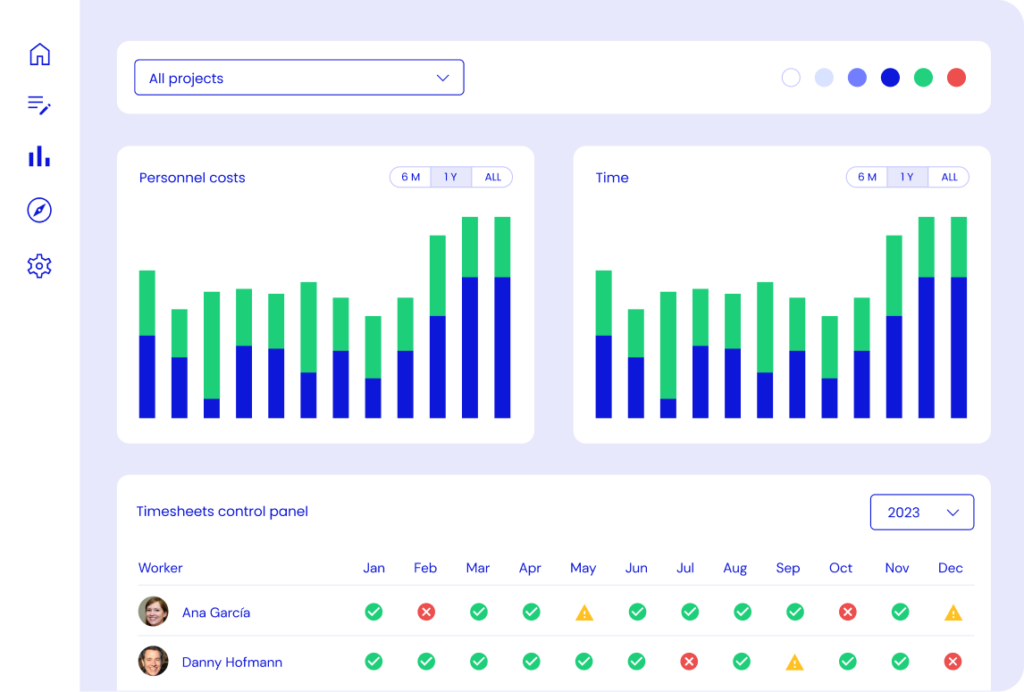
Kronis, developed by Sploro, is a SaaS platform designed specifically to support the structured financial management and justification of European R&D grants.

Kronis enables organisations to:

  • Centralise project financial data
  • Structure reporting workflows
  • Maintain traceable documentation
  • Support audit-readiness processes
  • Increase portfolio-level visibility

The objective is not administrative simplification. It is organisational resilience.

Final Thought

Horizon Europe funding operates within a clearly defined contractual and financial framework.

For R&D teams, this determines how projects must be documented and reported.

For leadership, it defines the governance capability required to scale European innovation responsibly.

Understanding this dual dimension is essential for any organisation positioning itself for sustained participation in Horizon Europe.

Kronis Software: The Solution to Navigating EU Funding Complexities

Scroll to Top
Privacy Overview

This website uses cookies so that we can provide you with the best user experience possible. Cookie information is stored in your browser and performs functions such as recognising you when you return to our website and helping our team to understand which sections of the website you find most interesting and useful.