Introduction
For Horizon Europe project managers, successful delivery isn’t just about achieving scientific milestones—it’s also about meeting all reporting and monitoring obligations. Article 20 of the EU Model Grant Agreement is your roadmap for what, when, and how to report progress and finances. Missing a deadline or misunderstanding requirements can freeze payments or even put your project at risk.

Understanding Article 20 means turning compliance into a routine—keeping your project audit-ready, transparent, and always in control.

Why Reporting Is Critical for Horizon Europe Project Managers
Article 20 sets out the rules for project reporting and monitoring under Horizon Europe. It covers:Â
- What to report: Technical progress, deliverables, milestones, and all related financial statements.Â
- When to report: Periodic reports (usually every 12 or 18 months), plus a detailed final report at project end.Â
- How to report: Using official templates on the Funding Tenders Portal, with complete supporting documentation.Â
Tip: Each reporting period is tied to payments. Timely, complete reports ensure cash flow and build trust with the funding agency.Â
What Is Article 20 of the Horizon Europe Grant Agreement?
- Periodic Reports:Combine technical/scientific progress, achievements, and full financial reporting.Â
- Final Report: Summarises overall results, impact, and complete financial reconciliation.Â
- Continuous Monitoring: Notify the European Commission about major changes, risks, or deviations as soon as they arise—not just at the deadline.Â
- Supporting Documentation: All claims must be backed by evidence—deliverables, timesheets, proof of milestones, and financial records.Â
Periodic Reports: What You Must Submit and When
Article 20 reporting can seem daunting, but small, consistent habits make it much easier. These tips, each with a real-world example and resolution, will help you avoid common pitfalls.Â
1. Start with a Reporting Calendar and Checklist Â
Deadlines sneak up fast. A shared, automated calendar keeps everyone on the same page and prevents last-minute panic.Â
Example:Â Carla set up a calendar with all reporting milestones for her Horizon Europe project, including reminders for deliverable uploads and financial statements.Â
Spoiler:Â Her team met every deadline, and their payments were processed without delay.Â
2. Delegate Reporting Tasks Early Â
Trying to gather everything yourself leads to missed details and burnout. Assigning clear responsibilities for each section (technical, financial, impact) streamlines the process.Â
Example:Â David mapped reporting tasks to each work package leader and financial officer.Â
Spoiler: Every input was submitted on time, and David avoided stressful last-minute requests.Â
3. Centralise Documentation as You GoÂ
Article 20 demands traceability for every deliverable and financial claim. Scattered files are a major risk.Â
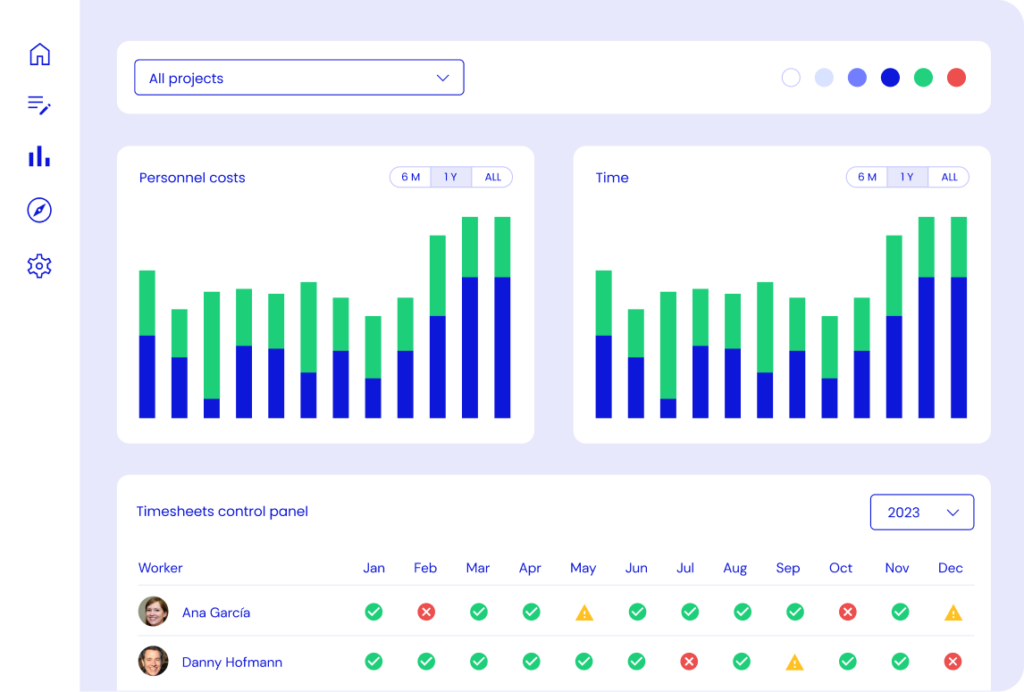
Example: Nina used Kronis to store all deliverables, signed timesheets, and proof of milestones as soon as they were generated.Â
Spoiler: When the portal requested supporting files, Nina’s team uploaded everything instantly, with no missing documents.Â
4. Proactively Communicate Changes and Risks Â
Don’t wait for the next report if you encounter delays, major deviations, or unforeseen risks. Immediate notification is required.Â
Example: When unexpected supply issues delayed a milestone, Julia’s team informed the EC immediately via the portal.Â
Spoiler:Â The early notice allowed the project officer to suggest solutions, and the project avoided penalties.Â
5. Use Digital Tools to Automate Reminders and Track Progress Â
Automation reduces manual workload, flags gaps, and makes follow-up routine—not a scramble.Â
Example: Sam’s team relied on Kronis for deadline alerts, status tracking, and document validation.Â
Spoiler: They caught a missing partner report with time to spare, keeping the full consortium compliant.Â
Key Terms Decoded (Mini-Glossary)
- Periodic report: Regular update on project progress and finances.Â
- Final report:Â End-of-project summary and financial reconciliation.Â
- Deliverable:Â Tangible output or document required by the project plan.Â
- Milestone:Â Key achievement or checkpoint in the project timeline.Â
- Continuous monitoring:Â Ongoing obligation to report risks, changes, or problems as they occur.Â
Final Thought
Article 20 isn’t just a bureaucratic requirement—it’s the framework that keeps Horizon Europe projects transparent, well-managed, and fundable. By embracing good habits, proactive communication, and digital tools, project managers can make reporting a strength, not a source of stress.Â

Article 6 in Horizon Europe: Practical Tips for Eligible and Ineligible Costs