Introduction
Participating in EU-funded R&D projects offers access to significant funding and the opportunity to drive innovation. However, for finance leaders and compliance officers, these projects also introduce unique financial risks that go beyond routine project management. Understanding and controlling these risks is essential to protect your organisation’s financial stability and reputation.

What Is Financial Risk in the Context of EU Funding?
Financial risk in EU-funded R&D projects refers to the potential for financial loss, exposure, or sanctions arising from non-compliance, misreporting, ineligible costs, or audit findings. Unlike simple reporting errors, financial risk is about the broader exposure your organisation faces if the rules set by the European Commission are not followed precisely.
Key Sources of Financial Risk
Ineligible Costs and Non-Compliance:
Claiming costs that are not eligible under the Grant Agreement—intentionally or unintentionally—can lead to major corrections and demands for repayment.
Poor Traceability and Lack of Audit Trail:
If financial transactions and project costs are not properly documented and traceable, the organisation is exposed during audits and reviews.
Late or Incomplete Reporting:
Failing to meet reporting requirements or deadlines increases scrutiny and can delay or freeze payments, directly impacting cash flow.
Double Funding:
The risk of claiming the same costs under multiple EU projects, a serious breach that can result in financial penalties and reputational harm.
Contractual and Legal Exposure:
Misinterpreting the terms of the Grant Agreement, or not adapting internal controls to match EU requirements, can expose the organisation to systemic risk.
Why Is Financial Risk Management So Important?
Financial Exposure:
Repayment claims can reach hundreds of thousands of euros for large projects. EU audits are thorough and retrospective.
Reputational Damage:
Non-compliance can affect future funding opportunities and damage relationships with funding authorities.
Operational Impact:
Financial uncertainty disrupts project delivery and strategic planning across the organisation.
Essential Controls for Reducing Financial Risk
Robust Internal Policies:
Ensure internal procedures are fully aligned with the specific requirements of each Grant Agreement.
End-to-End Traceability:
Maintain a clear, digital audit trail for every financial transaction and document.
Proactive Compliance Checks:
Regularly review cost eligibility, timesheets, and subcontracting records to catch issues before audits.
Centralised Record-Keeping:
Use digital solutions that centralise all project records, making evidence collection and audit preparation easier.
How a Digital System Can Help
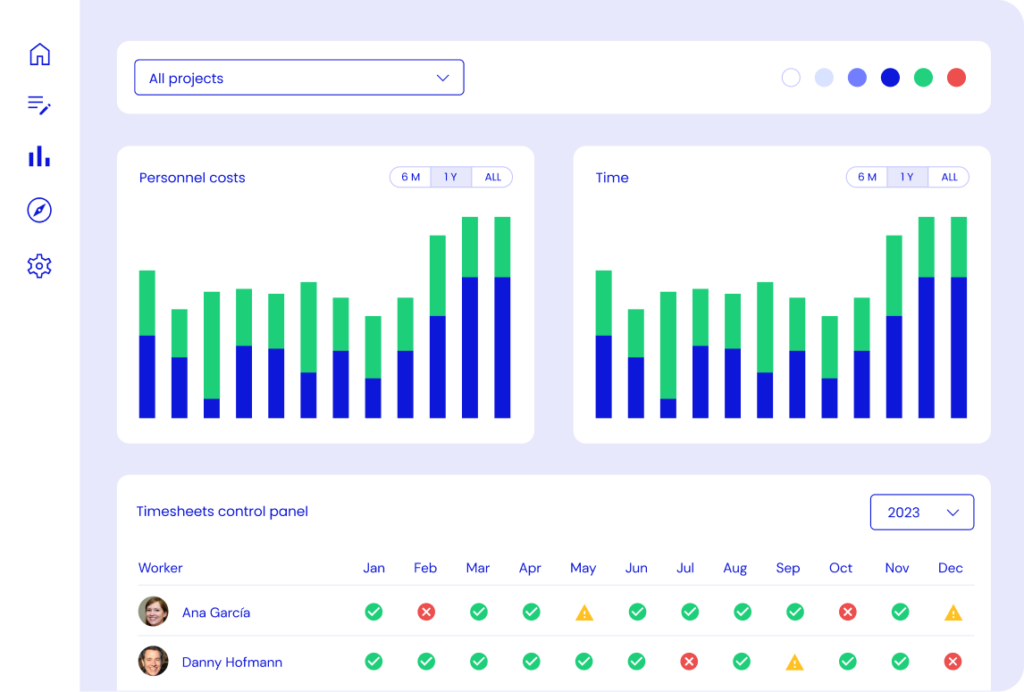
A digital control layer like Kronis helps finance teams reduce exposure by centralising compliance, automating reminders, and making audit trails fully traceable. This transforms financial risk management from a manual, reactive process to a proactive and scalable control function.
Final Thought
Financial risk in EU-funded R&D projects goes far beyond simple reporting errors. By understanding where exposure exists and implementing strong, evidence-based controls, finance leaders can protect their organisation’s funding, reputation, and future growth.