Introduction
EU-funded projects bring valuable opportunities—but also strict rules. For project and grants managers, one of the biggest sources of stress is making mistakes in financial reporting. Many of these errors are common, easy to make, and can have serious consequences. Knowing what to look out for is the first step to keeping your project running smoothly.

Why Do Financial Mistakes Happen?
Mistakes often occur because the rules feel complex, deadlines are tight, and teams are focused on delivery. But most financial errors are avoidable with the right awareness and controls in place.
Most Frequent Financial Mistakes
- Missing supporting documents: Every cost must be backed by the right invoice, contract, or receipt. Lost or incomplete documents mean costs can be rejected during audits.
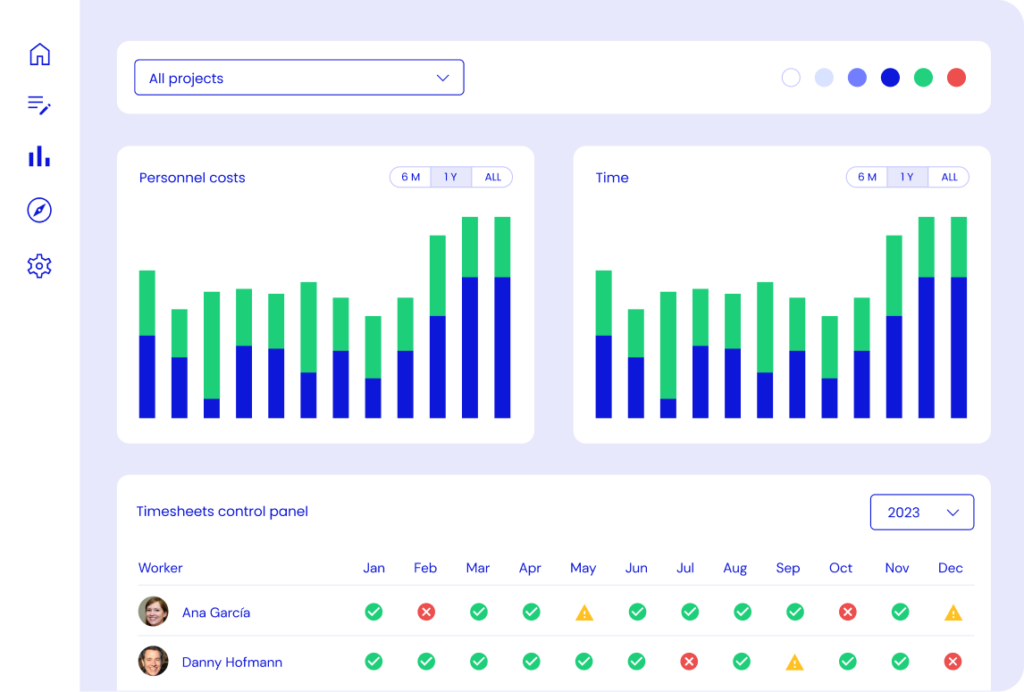
- Incorrect timesheets or missing time records: Timesheets are essential for personnel costs. Errors, omissions, or lack of signatures are a frequent reason for rejected claims.
- Claiming ineligible costs: Only costs directly linked to the project and listed in the Grant Agreement are eligible. Common mistakes include claiming overheads, entertainment, or costs outside the project period.
- Submitting reports late: Missing a reporting deadline can delay payments and create unnecessary stress. It also increases the risk of mistakes made in a rush.
- Double funding: Costs cannot be claimed from more than one EU grant. Failing to check for overlaps can lead to serious compliance issues.
- Forgetting audit requirements: Teams often overlook the need to keep documents for years after project closure. Without proper archiving, responding to an audit is much harder.
The Impact of These Mistakes
- Costs may be rejected, and funds may need to be repaid.
- Future funding can be put at risk.
- Extra work is needed to fix errors—adding to stress and workload for project teams.
How to Reduce Financial Mistakes
- Create a simple documentation checklist for every claim.
- Use clear timesheet templates and keep them up to date.
- Centralise your project records for easy access and traceability.
- Set calendar reminders for every reporting deadline.
- Review costs against the Grant Agreement before submitting any report.
- Regularly back up your files and store them securely for audit readiness.
Final Thought
Most financial mistakes in EU-funded projects are simple but costly. By knowing what to avoid and keeping processes clear and organised, project managers can reduce stress, avoid last-minute chaos, and focus on delivering real project results.
Modern digital tools like Kronis can make this process easier by automating document tracking, alerting you to missing information, and centralising records. This reduces manual errors and gives teams peace of mind throughout the project lifecycle.


Indirect Costs in Horizon Europe: Flat Rates, Real Costs, and How to Stay Compliant