Coordinating the financial management of EU-funded R&D projects is challenging enough for a single organisation, and even more so in multi-partner consortia. Partners from different countries often operate under distinct systems, processes, and interpretations of EU rules. For finance teams and project coordinators, strong financial governance isn’t just a best practice; it’s essential to maintain compliance, transparency, and trust across the consortium.
The Unique Challenges of Multi‑Partner Financial Governance
Managing finance in a large EU project consortium is fundamentally different from internal project management. Key challenges include:
- Fragmented Evidence:
Each partner maintains its own financial records, invoices, and supporting documents. Different formats, systems, and practices can make consolidating a complete audit trail difficult.
- Inconsistent Standards:
Each partner may interpret eligibility rules, cost categories, or reporting templates differently, increasing the risk of errors and ineligible claims.
- Visibility Gaps:
The coordinating organisation may lack real-time insight into partner-level submissions or pending documentation, complicating timely intervention.
- Communication Barriers:
Important updates—such as changes to EU rules, reminders, or audit findings—can be delayed or misinterpreted when shared through emails or informal channels.
- Shared Accountability:
Errors by a single partner can affect the consortium as a whole, from delayed payments to audit risks, making clear agreements on responsibilities critical.
Governance Failures: What Can Go Wrong?
- Delayed consortium payments due to late or incomplete reporting by a partner.
- Rejected claims or funding clawbacks caused by ineligible costs.Failed audits and reputational damage for the entire consortium.
- Disputes over cost allocation or internal financial rules undermining collaboration.
Practical Solutions for Better Financial Governance
- Consortium-Wide Reporting Protocols:
Define standardised reporting templates, cost definitions, and documentation checklists so all partners operate under a shared understanding.
- Centralised Digital Evidence Hub:
Use a secure platform where partners store and manage their financial documentation, giving coordinators consolidated visibility to track compliance and completeness at the consortium level.
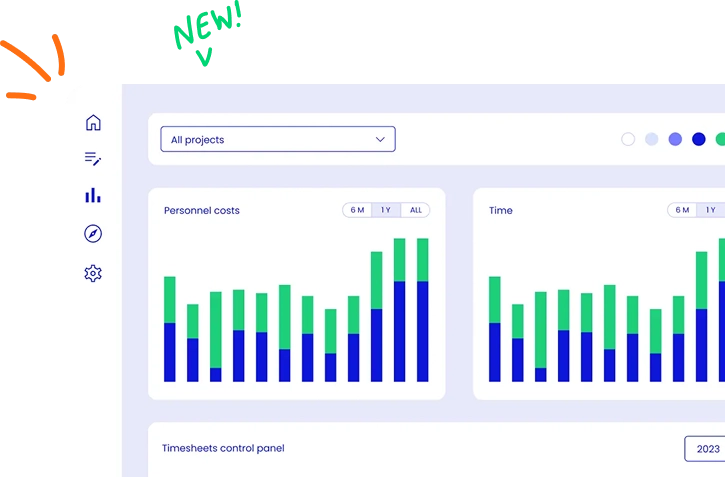
- Real-Time Dashboards:
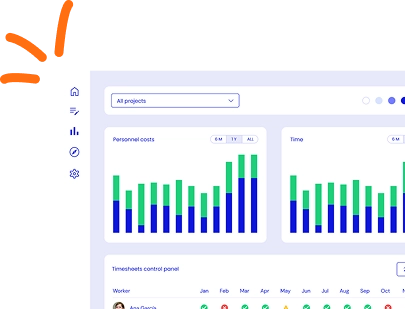
Gain consolidated visibility into partner-level reporting and compliance progress, allowing coordinators to spot gaps or delays without accessing individual employees’ records.
- Automated Reminders & Deadlines:
Avoid last-minute stress by automating notifications to partners for upcoming reporting periods.
- Clear Internal Agreements:
Define escalation of paths, responsibilities, and consequences in the Consortium Agreement to address financial disputes or persistent non-compliance.
- Regular Consortium Finance Reviews:
Schedule periodic meetings specifically for finance and compliance topics, creating a space to raise issues early and align on standards.
Final Thought
Financial governance in multi-partner EU projects is about more than control—it’s about building trust, visibility, and resilience into the consortium’s financial management processes. With the right digital infrastructure and governance protocols, finance teams can turn complexity into confidence and protect both the funding and reputation of every organisation involved.