
EU project reporting doesn’t have to be a nightmare. In fact, with the right tips (and a bit of digital help), you can keep your sanity, impress your funders, and even save time for the things that really matter. We asked teams who’ve “been there” to share their real-life reporting secrets—so you can avoid their mistakes and enjoy smoother projects.

The Reporting Reality: What Actually Happens in EU Projects
EU project reporting has a reputation for being complex and stressful—and it’s not just the paperwork. Tight deadlines, shifting requirements, and constant coordination with partners can make the process feel overwhelming, even for experienced teams.
Most teams run into the same challenges:
- Templates that are unclear or change from one reporting period to the next.
- Chasing updates and financial data from busy partners.
- Last-minute scrambles to locate missing invoices or justify unexpected costs.
But when reporting is done right, the benefits are clear:
- Payments arrive on time, keeping your project fully funded.
- Trust grows with partners and EU reviewers alike.
- Each reporting cycle becomes an opportunity to streamline and improve your next project.
What EU Funders Actually Want in Your Reports
EU reviewers and funders don’t expect perfection—they want clarity, transparency, and proof that your project is delivering value.
What your reports should include:
- Financial reports: Clear breakdown of costs by category, partner, and reporting period, aligned with the approved budget..
- Technical progress: Description of completed work packages, milestones, deliverables, and explanations for any deviations.
- KPIs and impact: Evidence showing you’re meeting objectives and generating tangible results.
- Supporting documents: Timesheets, invoices, contracts, meeting minutes, and other necessary records.
Pro tip: Consistency and completeness beat fancy formatting every time.
EU Reporting Mistakes We See Every Year
Even with the best intentions, reporting isn’t always smooth sailing. It’s not about being perfect—it’s about learning to spot the little issues before they become bigger problems. Over time, most teams find themselves running into the same obstacles again and again. The good news? Once you know what to watch for, avoiding these reporting pitfalls becomes much easier.
- Last-minute data collection: Start early, set internal deadlines, and chase gently but consistently.
- Unclear cost justifications: Link every expense to a deliverable or work package, and annotate reports where needed.
- Missing documents: Keep a live checklist and upload supporting files as you go—don’t wait for reporting week.
- Not checking the template: Always use the latest version from the EU portal and read the guidance carefully.
5 Steps for Smoother EU Reporting
- Centralise everything: Use one digital platform (like Kronis) to keep reports, documents, and deadlines in sync.
- Assign clear roles: Nominate a reporting lead and backups; make responsibilities explicit.
- Automate reminders: Set up calendar alerts for key dates and progress check-ins.
- Keep partners in the loop: Share progress regularly, not just before submission.
- Review and rehearse: Do a mock run before the deadline—spot issues early, not at the last minute.
Why Digital Reporting Changes Everything
Digital tools are a lifesaver for modern project teams:
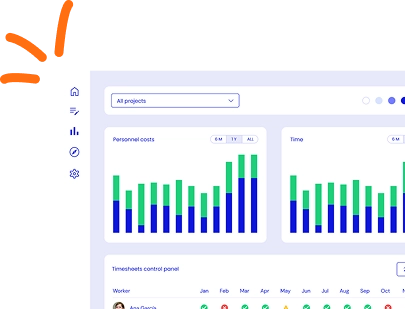
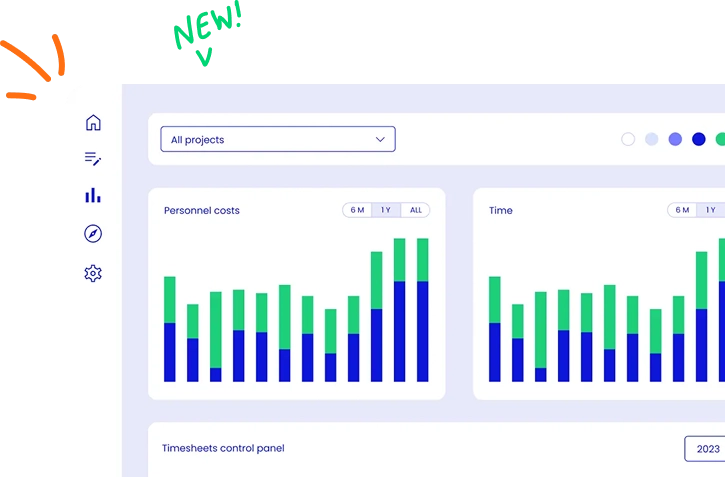
- Live dashboards: See progress and missing pieces at a glance.
- Automatic formatting: Generate reports in the right template, every time.
- Cloud storage: All files are secure, searchable, and shareable—no more email chaos.
- Audit trails: Every change is tracked for compliance.
With Kronis, your reporting is no longer a rush job—it’s just another easy part of your workflow.
FAQ: EU Project Reporting
How detailed do my reports need to be?
Include everything requested in the template, but keep it clear and to the point. EU funders value clarity over volume.
What if a partner is late sending data?
Set internal deadlines ahead of the real one and use digital tools to track who’s delivered what.
Can I submit scanned or digital documents?
Yes, digital files are accepted, but always check if originals are needed for audit purposes.
How does Kronis help with reporting?
Kronis automates reminders, templates, and document collection, so your team stays on track and stress-free.
EU project reporting can feel overwhelming—but it doesn’t have to be. With the right tools and a bit of guidance, you can turn reporting from a stressful task into a real asset for your team.
Want to see how easy reporting can be?
[Book a free demo with Kronis] and discover how our platform helps you stay organised, compliant, and ready for anything—without the last-minute panic.
Spend less time reporting and more time innovating with streamlined tools built by experts. Kronis reduces time spent on reporting, guides you through deadlines, and keeps your project on track—so you can focus on what really matters: delivering results, not chasing paperwork.

From grant searching to managing it: see Kronis at Startup Olé 2026
Horizon Europe vs cascade funding: which route is right for your organisation?