Managing Horizon Europe deliverables? Discover the different types, submission deadlines and what happens when a deliverable is late. Learn how to keep your consortium on track and avoid delays in project payments.
Kronis is heading to Startup OLÉ 2026! Meet us in Salamanca, see Kronis in action and discover how our five tools support different stages of the funding journey.
Horizon Europe and cascade funding both offer EU innovation funding — but they are fundamentally different instruments. This guide maps the key differences and helps you decide which route fits your organisation right now.
EU project financial compliance begins on day one and extends years beyond project closure. Kronis Finance provides the infrastructure to plan, report, and analyse EU project finances — keeping costs traceable, eligible, and audit-ready throughout.
Most Horizon Europe projects establish a Steering Committee or Executive Board for operational governance — but its structure, powers, and composition depend entirely on the Consortium Agreement. This guide explains how it works in practice.
Kronis PMO turns a Horizon Europe Grant Agreement into a live operational system — tracking deliverables, coordinating partners, and building the evidence trail that lump sum projects require. This is how it works in practice.
The kick-off meeting is the first test of whether a Horizon Europe consortium is ready to deliver. This guide explains what it must cover, what the Grant Agreement requires, and the most common mistakes to avoid.
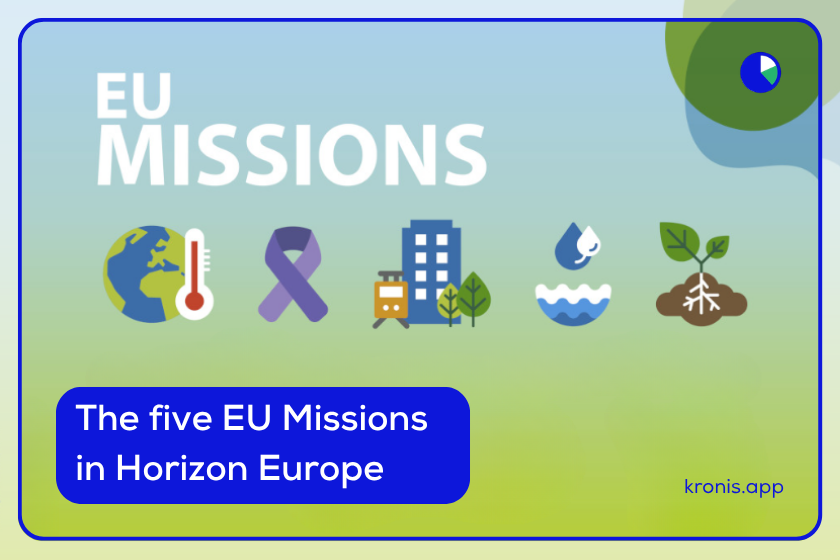
Horizon Europe's five EU Missions are not standard calls — they are outcome-driven programmes designed to achieve specific, measurable targets by 2030. This guide explains what they are, how they differ, and how to participate.
Cascade funding applications are simpler than full Horizon Europe proposals, but the process has its own logic. This step-by-step guide covers everything from finding the right call to signing the sub-grant agreement.
Open access is a legal obligation in Horizon Europe, not an option. This guide explains what is mandatory, what is recommended, and what non-compliance means in practice.